| Wed. June 03, 2026 |
 |
|
||
|
||||
| ||||


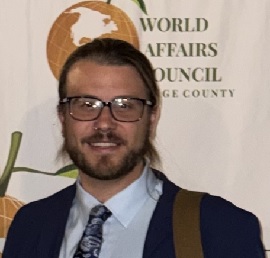
By Manuel Grajeda III
On December 9th, 2016, Robert Reich posted a video called Tax Experiment, arguing against the “conservative economic formula:” low taxes, low regulation, and low wages. He contrasted red states with California, arguing a more progressive approach drives prosperity and economic growth.
A decade later, the argument is worth revisiting. California maintains its spot as the wealthiest state, yet experiences sustained levels of outmigration according to the American Community Survey. The state has lost an electoral seat and continues a streak of boom and bust cycles directly impacting the budget. Many of those leaving the state cite high costs of living, high taxation and affordability.
None of this is to suggest the argument that lower wages and regulations are better as an alternative. However, California’s experience leaves us with difficult questions that need to be asked: can a progressive system create structural risks that complicate long-term policy goals?
Current gubernatorial candidates are focusing on affordability and inequality and on paper, these ideas are persuasive. But turning them into durable solutions is far more nuanced and complex than political rhetoric often postulates. Many current proposals assume increasing taxes on the wealthiest earners will address long term sustainability and affordability issues. An assumption like this is worth deeper analysis and scrutiny.
The issue is not taxing, but the volatility of the structure we have, which depends on a wealthy few to fund the many. The current California budget proposal is $348.9 billion with roughly 68% of the general fund revenue covered by personal income tax. Much of this revenue comes from high income earners or capital gains tied to market valuations.
During strong economic growth years, the progressive structure produces budget surpluses, while in downturns revenue can decline significantly. California’s Legislative Analyst’s Office links many of these gains to enthusiasm around AI, but also acknowledges overheated markets could lead to a downturn. Thus, an economic slump could have a cascading impact for the state’s fiscal goals.
This disparity becomes even more striking when examining who pays. During the early COVID-19 downturn, 50% of the income tax budget came from the top 1% of earners. While it has decreased since then, it still hovers between 30-40%, representing a massive dependence on a small group of earners to pay for major budget needs.
Furthermore, California derives a significant portion of its budget from the federal government. In fiscal year 2023, 22.1% of the budget came from federal appropriation. Potential reductions in
fiscal allocation could require California to find new funding and may strain the system even further.
Progressive measures being proposed by candidates and policy makers, like single payer healthcare, expanding education funds and food assistance, are compelling and deserve further analysis. Achieving these, however, requires fiscal stability that is difficult to implement when so much revenue is concentrated and tied to a few earners and market performance.
The deeper question isn’t whether we should tax the wealthy or have them pay their fair share. Rather, how do we stabilize a system that depends on a narrow base? While producing surpluses in boom years helps aid progressive measures, the downturns hinder long run potential and make long term planning commitments difficult to realistically attain.
California is an ambitious, complex and dynamic state and, in many ways, portrays the American dream. It leads in education, economic output and innovation. But ambition alone is not enough.
A state able to fund progressive measures in economic booms should be able to sustain them during the troughs as well.
As voters and policy makers, the goal should not be to only speak about progressive policy, but to build a system rugged and funded enough to successfully endure. Without that foundation, even the most well intentioned rhetoric falls short and risks becoming promises that are very difficult to keep.
Manuel Grajeda III is a researcher, writer and teacher in economics, history and government in Southern California.
| Comments in Chronological order (0 total comments) | |
| Report Abuse |
| Contact Us | About Us | Donate | Terms & Conditions |


|
All Rights Reserved. Copyright 2002 - 2026